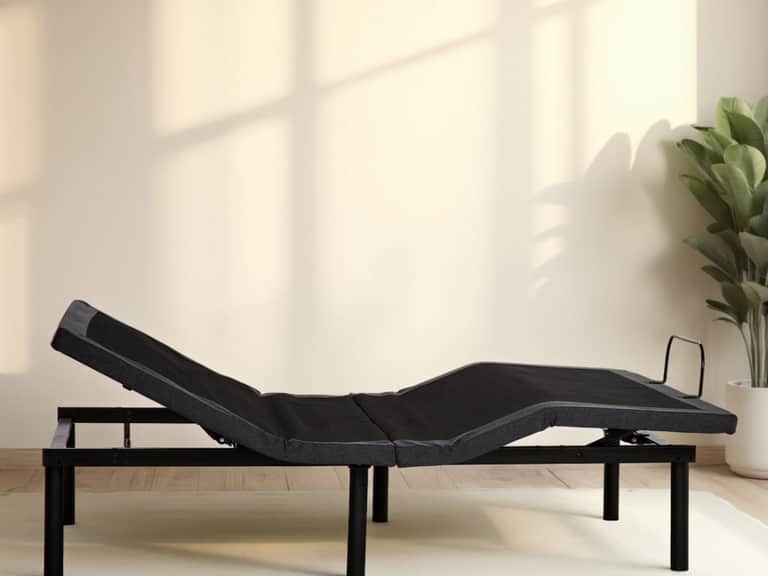
The Clean Bedroom (Level 3) Adjustable Bed Base

Memory Foam vs Latex: Which Mattress Material Meets the Needs of Side Sleepers?

In the ongoing conversation about sleep comfort, the material at the surface often dictates nightly relief. For side sleepers, whose shoulders and hips bear much of the body’s load, the choice between memory foam and latex can meaningfully shape pressure distribution, temperature regulation, and long-term durability. This feature-length exploration, written in a Time Magazine-inspired cadence, navigates not only the science of these materials but also the lived realities of sleep—how it feels, how it adapts to movement, and how different generations have approached rest.

A Primer on Memory Foam and Latex

Memory foam and latex sit at opposite ends of the sleep-surface spectrum, each with a distinct philosophy of support. Memory foam, born from innovations in comfort and body-contouring response, envelops the sleeper, distributing pressure by conforming to curves. Latex, especially in its Talalay form, offers a more immediate, buoyant response that resists the “sinking” sensation and invites continued movement. For a side sleeper—who often presents asymmetric pressure across hips and shoulders—the contrast between slow, body-pleating memory foam and springier, resilient latex is not merely a preference but a geometry of sleep.

The fundamental difference lies in rebound and contour behavior. Memory foam cradles, gradually molding to the body’s contours; latex yields a cradling effect with quicker return, which can translate into easier repositioning and reduced “stuck” feeling for many. Temperature dynamics also diverge: memory foam tends to trap heat more readily due to its viscous nature, while natural latex, with its open-cell structure, can promote greater airflow and breathability—though both materials are available with cooling features and breathable covers to address comfort needs.

Durability and lifecycle also enter the conversation. High-quality memory foams maintain shape through incremental wear, yet some sleepers notice progressive softening over years. Latex, particularly natural latex, is renowned for durability and resilience, often maintaining surface integrity across longer spans. Side sleepers seeking long-term comfort may weigh these durability curves against personal sleep temperature preferences and sensitivity to contouring.

Three Key Figures Across Time Who Shaped Our Understanding of Sleep and Comfort

The story of mattress materials intersects with medical science, design innovation, and consumer comfort. Three individuals—each from different eras—illuminate how we came to value pressure relief, ergonomic support, and breathable sleep surfaces.

  • Aristotle of Ergonomics (Classical Antiquity): In the earliest explorations of body posture and comfort, Aristotle’s curiosity about how the body interacts with its resting surface set a cultural precedent. Though not a scientist of modern methods, the ancient inquiry into equilibrium—balance between support and softness—laid groundwork for thinking about how different materials might affect spinal alignment and relief from pressure points. For side sleepers, Aristotle’s emphasis on alignment subtly echoes in contemporary ergonomics: a mattress that respects natural curves without excessive sagging.
    Notes: Conceptual lineage rather than empirical study; inspiration for later ergonomic thinking.
  • Leonardo da Vinci (Renaissance): A polymath who bridged science, geometry, and design, Leonardo’s pursuit of proportional accuracy and material behavior contributes to modern mattress engineering. The Renaissance spirit—measured experiments, careful observation, and an eye for form—finds a parallel in the testing of foam chemistry and latex structure. For side sleepers, the da Vincian impulse manifests in the rigorous, data-informed approach to determining how a surface should yield under shoulder and hip load while preserving spinal alignment.
    Notes: Conceptual bridge between artful design and functional science.
  • Florence Nightingale (Victorian Era): A trailblazer for evidence-based practice, Nightingale championed the use of data and hygiene to improve well-being. In mattress science, her legacy translates into the modern emphasis on hygiene, materials certifications, and the role of a breathable surface in maintaining sleep health. For side sleepers, breathable latex and memory foam with cooling features reflect a philosophy of healthful sleep environments that Nightingale would have endorsed—where comfort meets measurable health outcomes.
    Notes: Health-centered mindset that continues to inform consumer product standards.

Memory Foam vs Latex for Side Sleepers: A Practical Guide

The memory foam vs latex debate, framed through the lens of side sleeping, centers on two intertwined questions: how the surface distributes pressure and how it helps maintain spinal alignment across the night. For many, memory foam’s deep contouring is a balm for hip and shoulder relief, allowing the sleeper to sink into a supportive cradle. For others, latex’s buoyancy enables easy shifting and a cooler feel, preserving comfort without pooling heat. Consider a hybrid approach—often a latex comfort layer atop memory foam, or a memory foam core with latex quilting—to blend benefits.

In practice, you can test firmness and contour by lying on a mattress for several minutes in typical sleep positions. Side sleepers should aim for a surface that supports the shoulder region without excessive compression in the midsection. If a surface surrenders too much at the shoulder, neck strain can arise as the head shifts to compensate. If it remains too rigid under the hip, lower back strain may develop over time. The optimal choice balances contouring for pressure relief with stability for alignment.

Techniques for Evaluating Your Next Mattress Surface

A disciplined approach to selection helps translate subjective comfort into measurable outcomes. Here are practical steps:

  • Test the contour: Pay attention to how the hip and shoulder areas feel as you lie on your side. A good surface should fill in the gaps without creating new pressure points or causing your spine to bow out of alignment.
  • Assess rebound: A faster rebound (latex) aids movement, while a slower rebound (memory foam) provides a longer cradle. For side sleepers who change positions frequently, a balance of contour and return is valuable.
  • Monitor temperature: If you tend to sleep hot, prioritize latex or cooling memory foams with breathable covers and ventilated cores.
  • Review durability signals: Read warranty terms, whether the material’s density is high enough to resist sag over years, and how the cover contributes to airflow and moisture management.
  • Consider a trial period: If available, a trial period can give you several weeks to acclimate to the surface and assess sleep quality over time.

Note: All product references are representative and illustrative within the non-commercial guide framework. For interactive product visuals, see the linked items in the companion catalog.

Related Products

The Clean Bedroom (Level 3) Adjustable Bed Base

The Clean Bedroom · No. CUSH

The Clean Bedroom (Level 3) Adjustable Bed Base

Elevate every night with a flexible base that hugs your needs: independent lifts, head tilt, dual massage, and underbed lighting for safety and mood, plus USB charging and presets via a sleek wireless remote for effortless, personalized comfort.
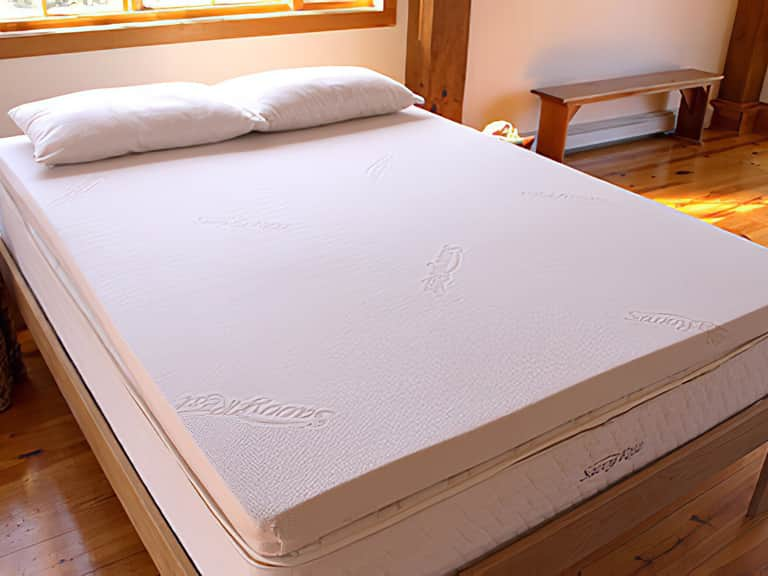
Savvy Rest Vitality Latex Mattress Topper

Savvy Rest · No. SAVVYREST-VITALITY-TOPPER-3INCH

Savvy Rest Vitality Latex Mattress Topper

Sink into plush, chemical-free comfort with 3 inches of natural Talalay latex, wrapped in organic cotton. The stretchy cover hugs you for pressure relief, breathable durability, and a softer, custom-feel that improves any firm mattress. 3-year warranty.
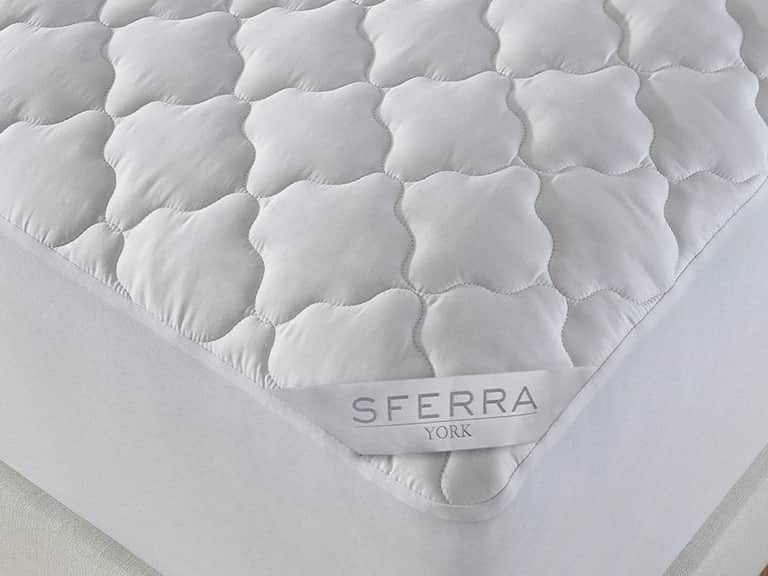
York Mattress Pad

Sferra

York Mattress Pad

Indulge in cloud-soft loft and balanced comfort with our cotton-filled mattress pad. Breathable, non-clumping loft stays plush wash after wash, while silky 300TC cotton sateen top feels gentle on skin for a restful, luxurious night.

Theme