Daybeds combine the functions of a bed and a sofa, making them useful in guest rooms, home offices, and multipurpose living areas. Their horizontal sleeping surface supports rest, while a finished frame can provide everyday seating. Daybeds are commonly paired with a mattress, bedding, pillows, and sheets suited to the room’s needs.
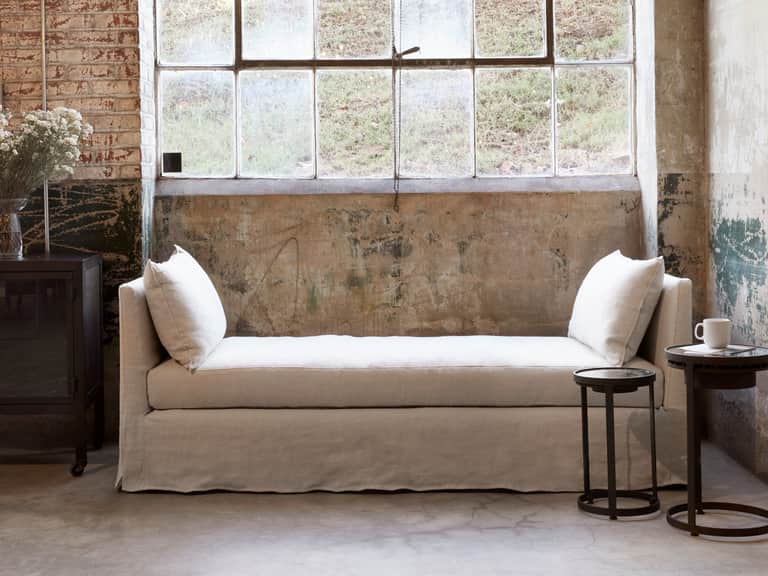
The Cisco Home April Daybed is a named example in this category, intended to serve as both a daytime seating area and a place to sleep. Its relevance comes from this dual-purpose format, which can help make a room more adaptable. Check product specifications for dimensions, mattress requirements, materials, and any included components.
Choosing a daybed involves considering room size, access, and how the furniture will be used. Measure the available floor area and confirm the mattress size and support requirements before planning the layout. For regular overnight use, mattress comfort and suitable bedding matter; for occasional guests, ease of preparing the sleeping surface may be a priority.
Comfort depends on the complete sleep setup, not only the frame. Sheets should fit the mattress securely, and pillows can be selected according to sleeping position and personal preference. Memory foam pillows may offer contouring support for some sleepers, while pillow loft and firmness vary. These bedding details also help a daybed function comfortably as seating.
Materials and maintenance are important considerations when comparing daybeds. Review care guidance for upholstery or other finishes, and consider how frequently the surface will be used. People evaluating broader sleep options may also compare organic mattresses, which are made with specified material standards. Confirm certifications and construction details, since product attributes vary by model.
 Furniture