Mattress basics
Is Memory Foam Bad for Side Sleepers? How to Judge the Fit
Memory foam is not automatically a poor choice for side sleepers. Its ability to contour around the shoulders and hips can feel relieving, but the right fit depends on more than the material name. Firmness, body shape, mattress construction, and pillow height all affect whether your spine feels comfortably supported—or whether you sink too far.
Published November 27, 2026
Side sleeping asks a mattress to do two things at once: cushion the points that press into the bed and support the body so it does not sag out of alignment. Those demands can seem contradictory. A surface that feels wonderfully soft at the shoulder may allow the waist or hips to dip too deeply. A very firm surface may keep the body elevated but leave pressure building where the shoulder and hip meet the mattress.
Memory foam is often discussed as though it has one predictable effect. In reality, foams vary in density, responsiveness, firmness, thickness, and the way they are layered. A well-matched memory foam mattress may help distribute pressure for some side sleepers. A mismatched one can feel restrictive, overly warm, or unsupportive. The useful question is not whether memory foam is “good” or “bad,” but whether a particular mattress lets your body settle into a comfortable, supported position.
This guide explains how to assess that fit, what to notice at the shoulders and hips, how to compare firmness claims, and why a memory foam pillow is a separate decision from a memory foam mattress.
Why memory foam can appeal to side sleepers
Memory foam is a viscoelastic material: it changes shape under pressure and gradually recovers when that pressure is removed. On a mattress, this response can create a closer, more enveloping feel than a spring surface that pushes back quickly. For a side sleeper, that contouring may allow the shoulder and hip to settle into the bed instead of bearing all their weight on a firm, flat surface.
Pressure relief matters because side sleeping concentrates contact at a relatively narrow band along the body. If the mattress does not give enough at those points, a person may notice discomfort, numbness, or a need to keep changing position. A foam comfort layer can spread some of that load over a broader area. The sensation is subjective, however: the same close contour that one sleeper appreciates may feel like being held in place to another.
Memory foam can also reduce the transfer of movement across a mattress. That may be useful for people who share a bed and are sensitive to a partner’s movements. It is not a guarantee of uninterrupted sleep, and construction matters, but foam’s slow response often feels different from the springy motion of some innerspring beds.
These potential advantages do not establish that every foam mattress will suit every side sleeper. Comfort depends on the full mattress system, including the support core beneath the comfort layers. A soft top over a weak or poorly matched foundation may behave very differently from a similarly soft surface built over a stable support layer.
The central test: pressure relief without excessive sinking
When assessing a mattress for side sleeping, consider two questions together. First, does the surface ease pressure at the shoulder and hip? Second, does the rest of the body remain supported? Focusing only on softness can obscure the second question. A deeply cushioned mattress may feel inviting for a few minutes yet allow the pelvis to sink enough to create an uncomfortable curve through the waist.
On the other hand, a mattress that feels firm in a showroom is not necessarily supportive in the useful sense. If the shoulder cannot settle at all, the upper body may be pushed upward while the hip remains elevated. That can create tension or pressure. Support is not synonymous with hardness; it is the ability of the mattress to hold the body in a reasonably comfortable, neutral position while still allowing appropriate cushioning.
Try to notice whether the shoulder and hip seem to sink at a similar, comfortable rate, rather than allowing one region to drop markedly lower than the other. Your waist should not feel unsupported, and the mattress should not force your spine into a sharp bend. There is no single ideal outline that applies to every body, but persistent pressure, a sense of twisting, or repeated repositioning are useful signals that a surface may not be working for you.
Personal comfort is not a medical diagnosis. If pain is persistent, severe, or interfering with daily life, a mattress change may not address its cause. Consider speaking with a qualified healthcare professional rather than relying on bedding advice to treat a health problem.
Firmness labels are a starting point, not a verdict
Mattress firmness labels can help narrow a search, but they are not a universal measurement. One company’s “medium” may feel different from another’s, and a mattress can feel firmer or softer depending on the sleeper’s body shape, weight distribution, and preferred position. The comfort layers, support core, and foundation can change the impression, too.
Side sleepers often begin by considering a surface with enough give to accommodate the shoulder and hip. That does not mean choosing the softest option available. A softer feel may be comfortable for a lighter person who has difficulty compressing firm foam, while a heavier person may sink farther into the same mattress and need a more substantial support layer. These are tendencies, not rules: individual proportions and preferences still matter.
When comparing firmness, look beyond a single adjective. Ask what materials form the comfort layers, how thick they are, what supports them, and whether the mattress has different firmness options. If you can test a mattress, spend enough time in your usual sleeping position to notice whether pressure builds. A quick sit on the edge or a brief lie-down on your back does not recreate the demands of a full night on your side.
If shopping remotely, read the return or trial terms with care. Check the length of the trial, whether a minimum break-in period applies, who pays for transportation, and whether a refund includes delivery charges. A trial is most useful when you evaluate comfort consistently over time rather than making a decision based on one night.
Body shape and sleep habits change the equation
Two people can share a sleeping position and have very different experiences on the same mattress. Shoulder width, hip shape, body weight, and the distance between those pressure points affect how the body meets a sleep surface. The degree to which a sleeper’s shoulders and hips compress the upper layers also influences how deeply they settle into the mattress.
Position is not always fixed through the night. Someone who starts on their side may roll partly onto their back, curl their knees, or shift repeatedly. A mattress that feels comfortable in one precise pose may feel less accommodating when the sleeper moves. Consider your typical habits rather than treating “side sleeper” as a complete description.
Temperature preference is another part of fit. Some people find closely conforming foam warmer than they would like, though heat perception depends on the foam formulation, mattress cover, room temperature, bedding, and personal comfort. If you tend to sleep hot, look into the complete construction and consider whether breathable sheets and a lighter cover make a difference. Marketing terms such as “cooling” should not replace clear information about materials and construction.
Finally, the base beneath a mattress matters. A compatible, level foundation helps the mattress perform as intended. An unsuitable base, worn slats, or a sagging platform can affect support and may complicate warranty coverage. Check the manufacturer’s foundation requirements before drawing conclusions about the mattress itself.
A practical at-home fit check
Once the mattress is set up on an appropriate foundation, give yourself a structured way to evaluate it. Comfort is personal, but a few repeated observations can make the decision clearer than a vague impression of “soft” or “firm.”
- Start in your usual position. Lie on your side as you normally would, with your usual pillow and bedding. Avoid testing only on your back if you spend most of the night on your side.
- Check pressure points. Notice whether the shoulder and hip feel cushioned or whether you feel concentrated pressure that persists as you settle.
- Notice your waist and pelvis. Ask whether your middle feels supported, or whether your hips appear to sink substantially below the rest of your body.
- Pay attention to movement. A very conforming foam may take longer to respond when you change positions. Decide whether that sensation is comfortable or frustrating for you.
- Track the experience over several nights. Record comfort, temperature, and how you feel on waking. One unusual night is not always a reliable measure.
- Separate mattress effects from other factors. A pillow that is too high or low, an unsuitable foundation, or a change in bedding can influence how the bed feels.
Some materials take time to settle in, and a sleeper may also need time to adapt to a different surface. That does not mean discomfort should be ignored or that every mattress will eventually feel right. Use the trial terms and your own observations to determine whether the fit is improving, remaining uncomfortable, or worsening.
Memory foam mattress versus memory foam pillow
The words “memory foam” can describe a mattress layer or a pillow, but those products do different jobs. A mattress supports the body from shoulders to feet. A pillow fills the space between the head and the mattress, helping the neck rest in a comfortable position. Choosing one does not automatically determine whether the other is suitable.
Pillow loft—the height of the pillow under load—should be considered alongside sleeping position and mattress feel. Side sleepers may need enough loft to bridge the space between the head and shoulder, but the right height depends on body shape and how much the shoulder compresses into the mattress. A softer mattress may allow the shoulder to sink more deeply, changing the gap a pillow needs to fill.
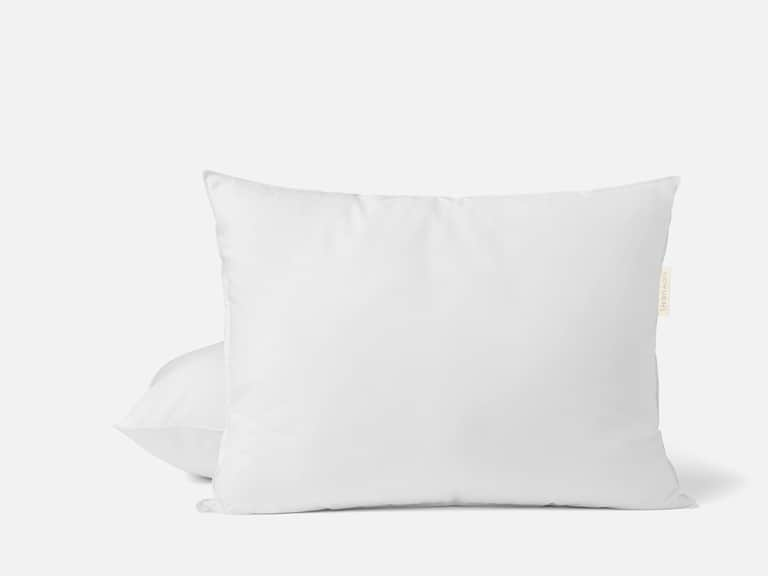
A high-profile memory foam pillow may therefore be worth evaluating for someone who prefers more loft, but its label cannot guarantee alignment or comfort. The Aireloom Nimbus Visco High Profile Pillow, for example, uses high-density memory foam and has a listed height of 6.5 inches. Its product information identifies it as a high-profile option; whether that height works for a particular sleeper depends on their build, mattress, and preferred position. The cover is removable and hand-washable, while the foam itself should not be machine washed or dried.
Pillows with other fills can feel quite different. A down pillow, for instance, compresses more readily than a molded foam design, while an adjustable-fill pillow lets a sleeper change the amount of material inside. The choice is about loft, shape, and response—not simply about matching the pillow material to the mattress material.
How memory foam compares with other mattress types
Memory foam is one of several ways to build a mattress. Comparing materials can help clarify what kind of feel you want, though a material name alone does not settle the question of quality or suitability.
- Innerspring: A coil-based mattress may feel more responsive and easier to move across. The cushioning above the coils determines how much pressure relief it offers.
- Latex: Latex is generally described as more buoyant and responsive than slow-recovery memory foam. Some side sleepers like that easier movement; others prefer memory foam’s closer contouring.
- Hybrid: A hybrid combines a coil support core with foam or other comfort layers. Its feel depends on the materials and arrangement, so “hybrid” does not indicate a single firmness or response.
- Airbed: Adjustable air chambers can change the support feel, but the comfort layers above them still influence pressure relief at the shoulder and hip.
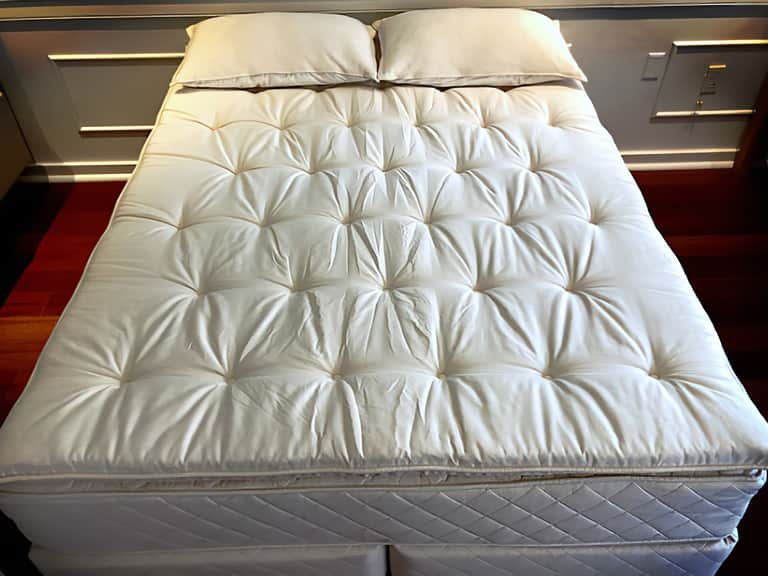
As a point of comparison, the Naturally Organic Hudson Luxe Latex Mattress is described as a latex mattress with a firm Dunlop latex core, a medium latex layer, and a plush latex-and-wool topper. It is not a memory foam mattress, but its layered construction illustrates why “latex” or “foam” alone cannot tell a shopper how a complete mattress will feel. Compare specific layer details and comfort terms rather than assuming every mattress within a material category behaves alike.
Common assumptions worth questioning
“Memory foam always causes pain.” No material can be assumed to cause the same response in everyone. Discomfort may reflect a poor match in firmness, support, pillow height, or another factor. A material label is not enough to identify the cause.
“The softest mattress is best for side sleeping.” Softness can help with pressure relief, but too much sink may compromise the feeling of support. The goal is a balance that feels comfortable across the body.
“A firm mattress is automatically better for alignment.” Firmness and support are related but not interchangeable. A surface can feel firm yet create pressure at the shoulder, or feel cushioned while maintaining adequate support. The full construction and individual fit matter.
“A high-profile pillow is always right for side sleepers.” Pillow height depends on more than sleep position. Shoulder width, mattress softness, and personal comfort affect the space between the head and bed.
“A mattress with the right material will fix sleep problems.” A comfortable sleep surface can be part of a supportive routine, but it is not a treatment for medical conditions. Sleep quality can be affected by many factors beyond bedding.
What to check before making a decision
Before choosing a memory foam mattress, write down what you want to change about your current bed. Is pressure most noticeable at the shoulder? Do you feel unsupported through the waist? Is the mattress difficult to move on, or does it retain more warmth than you prefer? A clear priority makes comparisons more useful than a general search for the “best” mattress.
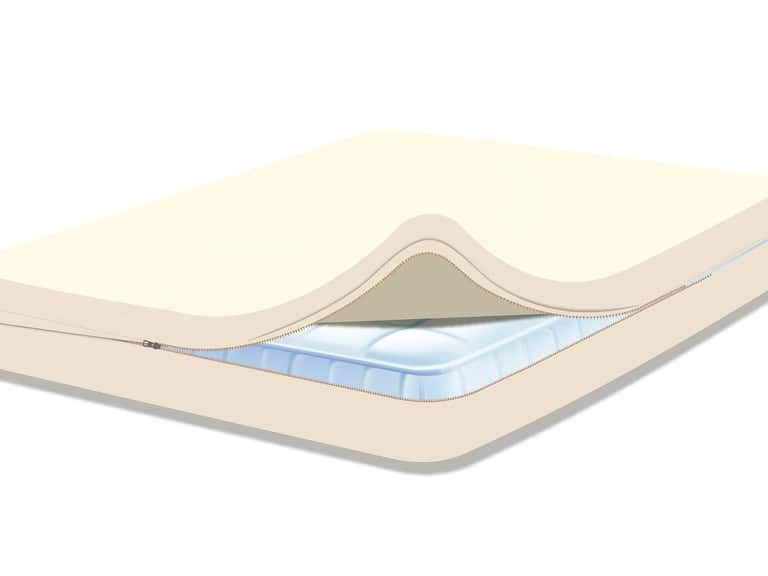
Then review the specifications that relate to that priority. Look for descriptions of the comfort layers and support core, available firmness choices, mattress thickness, and compatible foundations. Ask how the cover should be maintained and whether the mattress is designed for your bed frame. If certifications or material claims matter to you, verify what a certification covers rather than treating it as a broad promise about comfort or performance.
Read warranties and trial policies before purchase. A warranty typically addresses defined manufacturing or material defects; it does not necessarily cover a mattress that simply feels uncomfortable. Trial periods may have conditions, including a minimum period of use or fees associated with return. These details are part of the decision, not fine print to postpone until a problem arises.
Lastly, consider the sleep setup as a whole. Mattress, pillow, foundation, sheets, and room conditions all contribute to the experience. Change one factor at a time where possible, so you can tell what is helping and what is not.
The bottom line
Memory foam is not inherently bad for side sleepers. Its contouring may help cushion shoulders and hips, while the same close, slow-response feel may not suit someone who prefers a springier surface or finds that they sink too deeply. Firmness labels, material descriptions, and broad recommendations can narrow the field, but they cannot predict individual comfort with certainty.
Judge the fit by the experience: pressure at the shoulder and hip, support through the waist and pelvis, ease of movement, and temperature over time. Evaluate your pillow separately, since its loft works in combination with the mattress beneath you. With careful testing and a clear understanding of trial terms, side sleepers can compare memory foam with other options on practical grounds—not on a blanket verdict about the material.